The Sultanate
About Oman
Discover the Sultanate of Oman - its rich history, strategic location, vibrant culture, and the traditions that make it a unique destination in the Arabian Peninsula.
Contact UsOmani Rial
Currency
Muscat
Capital
November 20th
National Day
The Sultanate of Oman
Discover Oman
From its rich history and strategic location to its vibrant culture and traditions.

Brief History of Oman
On July 23, 1970, Sultan Qaboos bin Said Al Said ascended to power, marking the beginning of Oman's modern renaissance. His Majesty's vision transformed the Sultanate from an isolated nation into a prosperous, stable country through balanced development across education, healthcare, infrastructure, and governance.
Sultan Qaboos established a consultative governance structure with the Council of Ministers and the Majlis Al-Shura (Consultative Council). In November 1996, he presented the "Basic Statutes of the State"—Oman's first written constitution—enshrining the rights of citizens and the framework for participatory governance.
Following Sultan Qaboos's passing in January 2020, Sultan Haitham bin Tariq Al Said assumed leadership, continuing Oman's tradition of moderation, neutrality, and progressive development. The Sultanate remains committed to Vision 2040, a strategic roadmap for economic diversification and sustainable growth.
Geographical Location
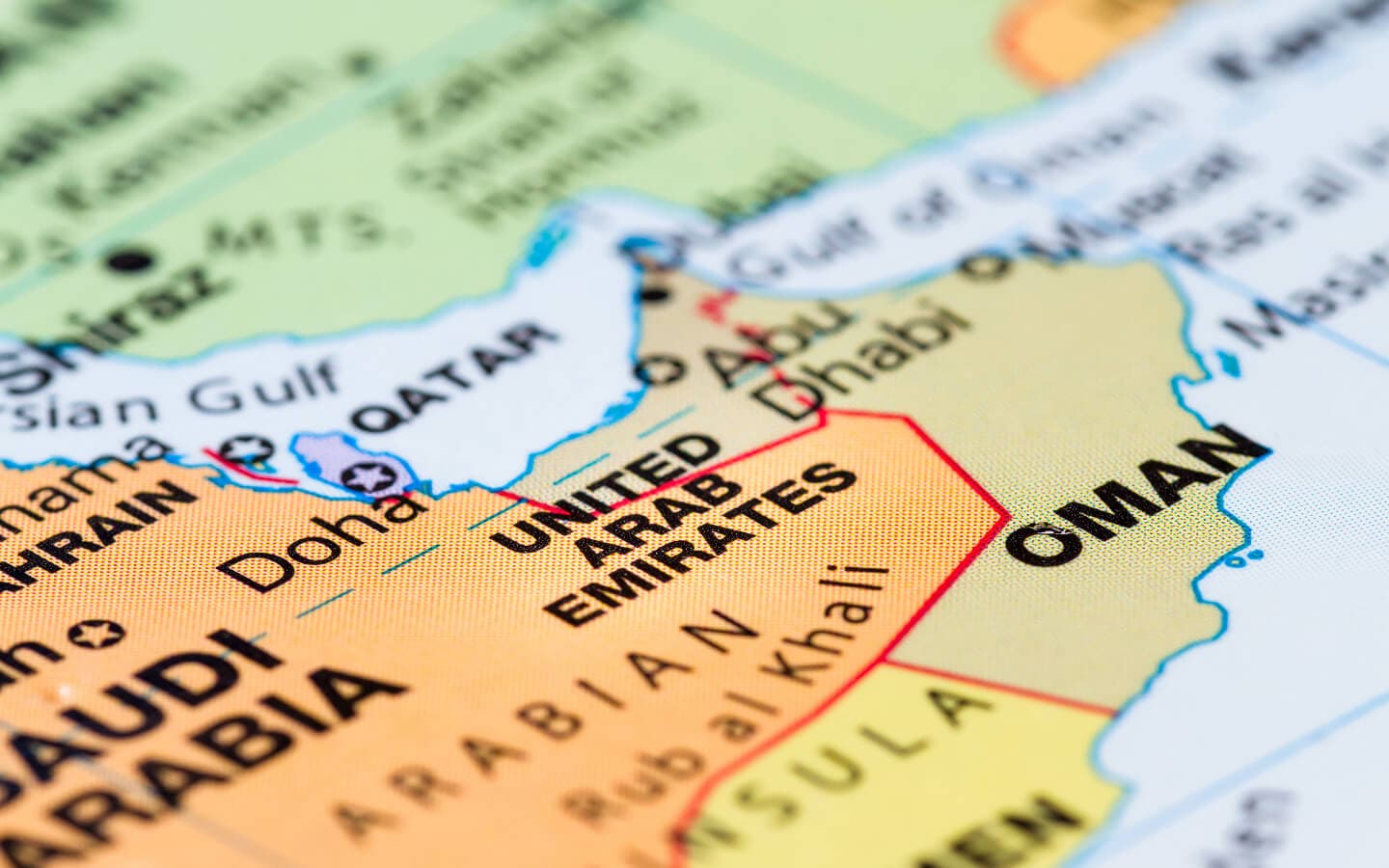
Oman occupies a strategically vital position at the southeastern corner of the Arabian Peninsula, with over 3,000 km of coastline along the Arabian Sea and the Gulf of Oman. The country controls the Musandam Peninsula, which overlooks the Strait of Hormuz—one of the world's most critical maritime chokepoints for global oil shipments.
The Sultanate shares borders with the United Arab Emirates, Saudi Arabia, and Yemen. Its diverse terrain ranges from rugged mountains and vast deserts to fertile coastal plains and pristine beaches, making it one of the most geographically varied nations in the region.
Oman's strategic location has shaped its role as a bridge between East and West. The Sultanate maintains a policy of neutrality and balanced diplomacy, fostering strong ties with GCC nations, international partners, and global institutions while supporting peace and stability in the region.

Currency
The official currency of Oman is the Omani Rial (OMR), one of the highest-valued currencies in the world. One rial is subdivided into 1,000 baisa. Banknotes are issued in denominations of 50, 20, 10, 5, and 1 rials, as well as 500 and 100 baisa. Coins are available in 50, 25, 10, 5, and 1 baisa.
Currency exchange is available at commercial banks, licensed exchange bureaus, major hotels, and Muscat International Airport. US Dollars are widely accepted for exchange; major credit cards including Visa, Mastercard, and American Express are accepted at most establishments. ATMs are readily available in urban centers.
Cost of Living
Oman offers a competitive cost of living compared to other Gulf Cooperation Council countries and many Western nations. Housing, utilities, groceries, and transportation are generally affordable, with expenses varying based on location—Muscat and other urban centers tend to be higher than smaller towns.
Residents and visitors will find that local brands often offer excellent quality at lower prices than international equivalents. The country provides a high standard of living with modern amenities, quality healthcare, and international schools, making it an attractive destination for expatriates and businesses alike.
Culture & Traditions
Omani culture is deeply rooted in Islamic values, with Ibadhism—a distinct branch of Islam founded by Abdullah ibn Ibadh in the 7th century—being the predominant tradition. Oman is the only country in the world where Ibadhism is the majority faith, known for its emphasis on tolerance, moderation, and peaceful coexistence.
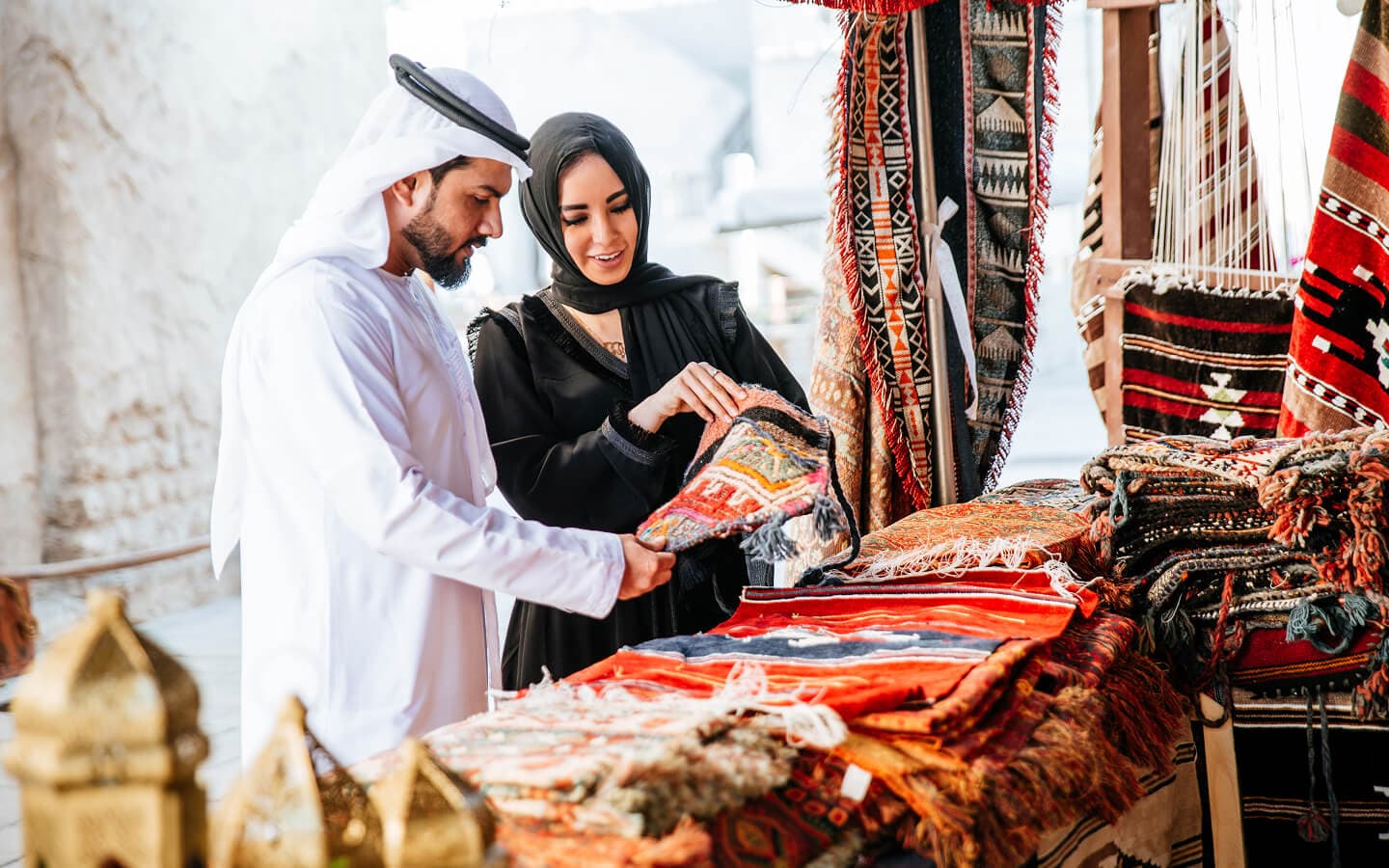
Omanis are renowned for their warmth and hospitality. The Sultanate welcomes people of all faiths; churches, temples, and other places of worship operate freely. Traditional dress—the dishdasha for men and abaya for women—remains widely worn. During Ramadan, Muslims observe fasting; visitors are expected to respect this by refraining from eating, drinking, or smoking in public during daylight hours.
National Day
Oman National Day is celebrated on November 18 each year, commemorating the birthday of the late Sultan Qaboos bin Said (1940–2020), who led Oman's modern renaissance for five decades. The festivities extend throughout the month, with the official venue rotating annually to different governorates.
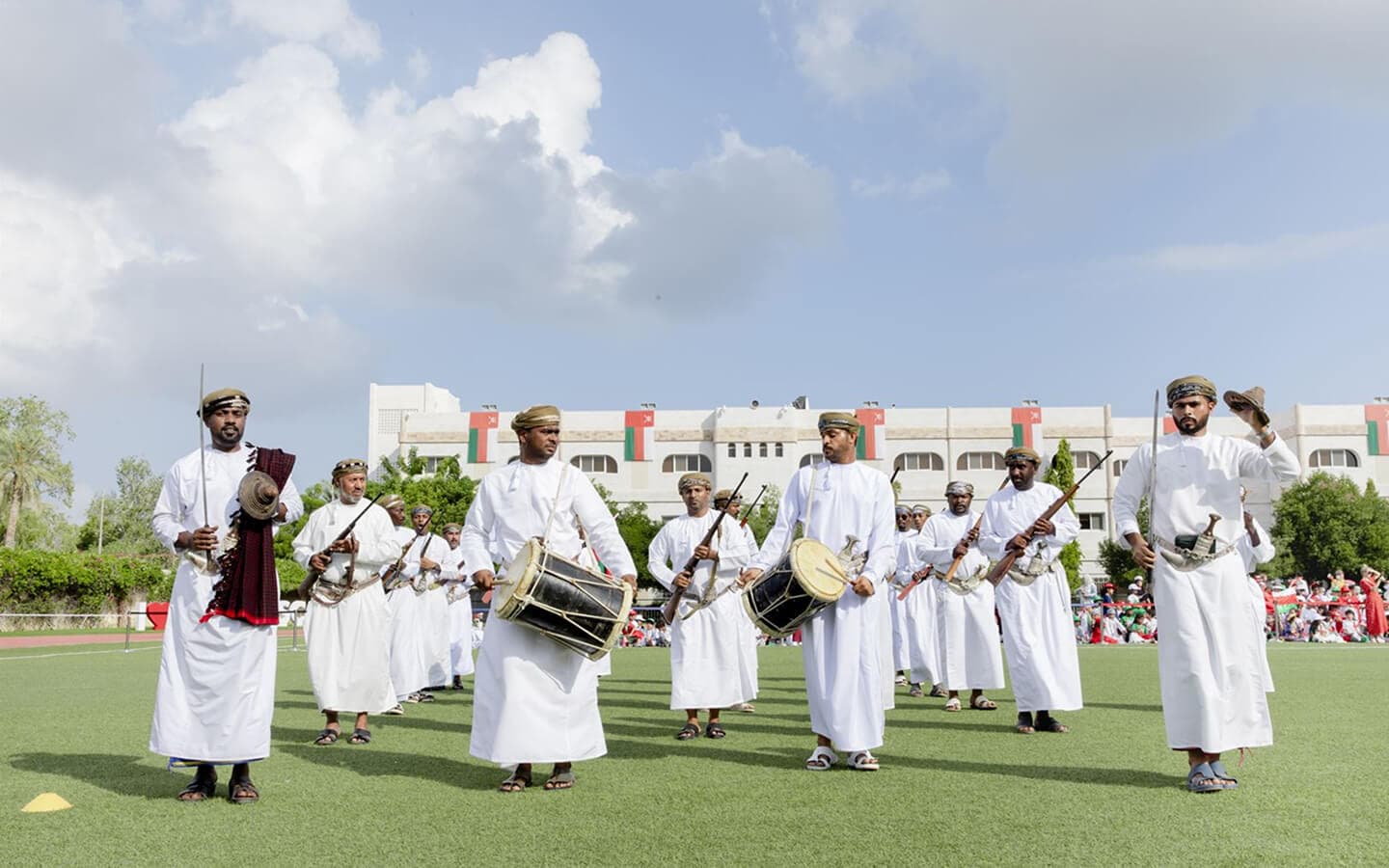
Celebrations feature the Glorious National Day Military Parade, camel racing, horse shows, folk dances, fireworks displays, and cultural exhibitions. Streets and buildings are adorned with the national colors—red, white, and green—creating a festive atmosphere that unites the nation in pride and patriotism.
Your Trusted Distribution Partner in Oman
National Distribution Company (NDC) has a partnership with respected international manufacturers known for their quality and market strength. With clearly defined standards for partnership and long-term cooperation, we link global brands to Oman's retail, wholesale and institutions markets.
Today, NDC works with suppliers across 20+ countries, offering dependable products to its well-established nationwide distribution network.